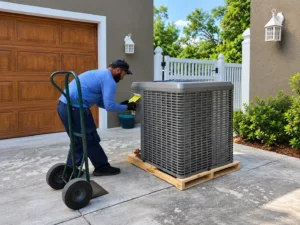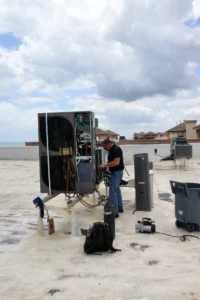
An AC compressor replacement quote varies based on the compressor type and refrigerant your system uses, the size and tonnage of the unit, whether the compressor is still under manufacturer warranty, and whether a technician recommends replacing just the compressor or the entire outdoor condenser. Because the compressor is the most expensive single component in an air conditioning system, these factors combine differently for every home, which is why two neighbors with what looks like the same system can receive noticeably different numbers.
If you’ve just been told your compressor is failing, it helps to understand exactly what’s driving the number on your quote before you start calling around for estimates.
Why Compressor Quotes Vary So Much
The compressor sits inside the outdoor condenser unit and does the heavy lifting of pressurizing refrigerant so it can absorb and release heat. It’s a sealed, precision-built component, and pricing depends on several variables working together rather than any single factor.
System Age and Compatibility
Compressors are matched to a specific system’s refrigerant type, tonnage, and electrical requirements. On an older unit, finding a compatible replacement compressor can be more involved, and in some cases the exact model is no longer manufactured. When that happens, a technician may need to source a compatible aftermarket unit, which affects both labor time and part availability.
Refrigerant Type
Systems installed before 2010 typically run on R-22 refrigerant, which has been phased out of U.S. production. If your compressor uses R-22, replacing it often means the refrigerant itself is harder to source and costs meaningfully more per pound than the R-410A used in newer systems. Some technicians will flag this early because it changes the entire scope of the job, not just the compressor swap.
Unit Size (Tonnage)
A compressor for a 2-ton system is a smaller, less expensive part than one built for a 4 or 5-ton system serving a larger home. Larger compressors also require more refrigerant to recharge the system afterward, which adds to the overall job.
Warranty Status
Compressors commonly carry manufacturer warranties ranging from 5 to 10 years, and some carry longer coverage if the original installation was registered properly. If your system is still within that window, the part itself may be covered, though labor to remove the old compressor, install the new one, and recharge the refrigerant is typically billed separately. Pulling your original installation paperwork or registration confirmation before your inspection can save time and clarify what’s actually covered.
Accessibility and Installation Complexity
Where the outdoor unit sits matters more than most homeowners expect. A condenser tucked behind landscaping, elevated on a pad, or positioned close to a fence or wall takes longer to service than one with open access on all sides. In coastal Brevard County homes, salt air exposure can also accelerate corrosion on refrigerant lines and electrical connections near the compressor, sometimes requiring additional component repair beyond the compressor itself.
Compressor-Only vs. Full System Replacement
This is often the biggest factor in the final number. A standalone compressor replacement makes sense when the rest of the system, the evaporator coil, ductwork, and electrical components, is in good working condition and the system is relatively young. But if the compressor failure is a symptom of a system nearing the end of its expected 12 to 15 year service life, or if there’s evidence of repeated refrigerant leaks, electrical strain, or a mismatched coil, a technician may recommend replacing the full outdoor condenser or the entire system instead. Repairing an aging compressor on a system that’s already declining elsewhere can mean paying for a major repair now and a full replacement again within a year or two.
Signs It’s Time to Replace Rather Than Repair
- The compressor is the second major component failure in the past 2 to 3 years
- The system still uses R-22 refrigerant
- The unit is 12 years or older
- Energy bills have climbed steadily even with normal usage
- The system struggles to maintain set temperature during Florida’s peak humidity months
If two or more of these apply, a full replacement evaluation is worth requesting alongside your compressor inspection.
Why Fall Is a Good Time to Address This
If your compressor is failing but your system is still limping along and cooling adequately, scheduling non-emergency compressor work in the early fall off-season, once the peak of summer humidity and heat has passed, generally means faster appointment availability than trying to book the same job in July or August. Technicians aren’t stretched across emergency no-cool calls the way they are during peak season, which can mean a more thorough diagnostic visit and less pressure to make a same-day decision.
What a Professional Inspection Actually Checks
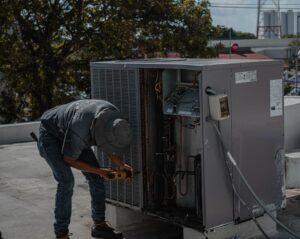
A proper diagnostic goes beyond confirming the compressor has failed. A technician will typically check refrigerant pressures and look for signs of leaks, inspect the capacitor and contactor for electrical wear, test the compressor’s electrical windings for a short or ground fault, and evaluate the condition of the evaporator coil and refrigerant lines. This is the only way to determine whether you’re looking at a straightforward compressor swap or a sign that the broader system needs attention. Because so many of the cost factors above depend on your specific equipment, age, and refrigerant type, an accurate number only comes from someone physically inspecting your unit, not a generic phone estimate.
If you’re weighing repair against full replacement, it’s worth reviewing what a new air conditioning system installation typically involves, since a compressor failure on an aging unit is often the trigger point for that decision. You can also learn more about the replacement and repair process before your appointment.
Atlantic Air has been diagnosing compressor failures across Brevard County homes long enough to know that no two quotes should look identical, because no two systems have identical age, refrigerant, size, and warranty situations. The only way to get a number that actually applies to your home is a hands-on evaluation. Request Service Today!