An HVAC mechanical contractor designs, installs, and ties in heating and cooling systems for commercial buildings, multi-unit properties, and new construction, a scope that goes well beyond the repair or replacement work a typical residential AC company handles. In Brevard County, that means engineering ductwork for a restaurant build-out, coordinating rooftop unit placement on a medical office, or tying a new HVAC system into a building’s electrical and plumbing plans before a certificate of occupancy is issued. If you’re searching for this specific term rather than “AC repair near me,” you likely have a project that requires licensed mechanical trade work, not a service call.
Understanding the difference matters because hiring the wrong type of company for the job can cost you time, permitting headaches, and in some cases a failed inspection.
How Is a Mechanical Contractor Different from a Standard HVAC Repair Company?
A residential repair company typically diagnoses and fixes existing equipment: a failed capacitor, a refrigerant leak, a dirty condenser coil. A mechanical contractor works earlier in the process and at a larger scale. Their work usually includes:
- Ductwork design and fabrication for buildings where airflow has to be calculated room by room, not just swapped out box for box
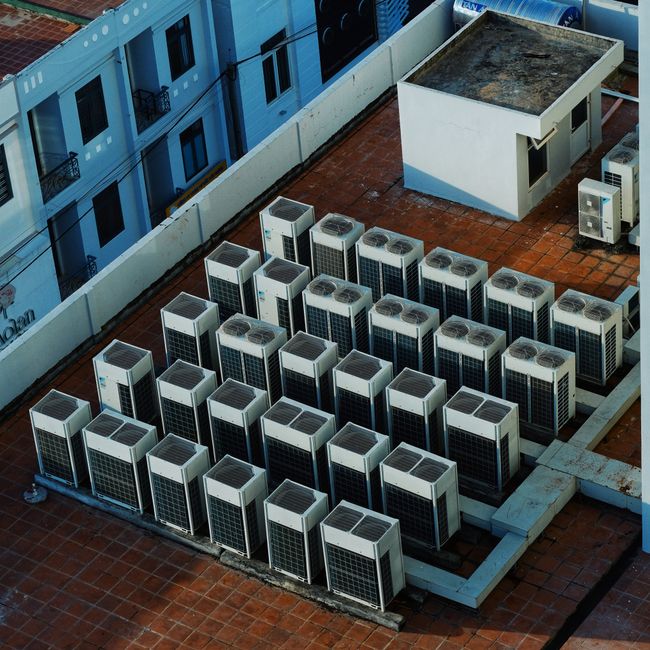
- Commercial system installation, including rooftop package units, split systems sized for large square footage, and VRF (variable refrigerant flow) setups
- New construction tie-ins, coordinating HVAC rough-in with framing, electrical, and plumbing schedules so the mechanical system is ready for final inspection
- Load calculations (Manual J, D, and S) to size equipment correctly for the building’s footprint, insulation, and occupancy
- Code compliance and permitting, including Florida Building Code mechanical provisions and local Brevard County permitting requirements
- System retrofits and tenant build-outs for commercial spaces changing use or layout
A standard repair visit solves a problem with equipment that already exists. Mechanical contracting plans, builds, or significantly reconfigures the system itself, often before the building even has walls.
Why Commercial and New-Construction Projects Need This Expertise
Commercial buildings place very different demands on an HVAC system than a single-family home. A 5,000-square-foot retail space or medical office has higher occupancy loads, more complex zoning needs, and often a rooftop unit that has to be structurally supported and weatherproofed against coastal conditions. Brevard County’s proximity to the Atlantic and the Banana River also means outdoor equipment is exposed to salt-laden air, which accelerates corrosion on unprotected coils, fasteners, and cabinets faster than it would inland. A contractor experienced in commercial-scale and coastal installs will typically spec coated coils or corrosion-resistant housings for buildings near the coast, something a general repair technician may not account for.
New construction adds another layer: ductwork has to be run through trusses or attic space before insulation goes in, condensate drain lines need to be routed to meet code, and the whole system has to pass mechanical inspection before the building can be occupied. Getting this sequencing wrong causes delays that ripple through an entire construction schedule.
How to Vet a Mechanical Contractor in Brevard County
Not every company that lists “HVAC” in its name is equipped for mechanical contracting work. Here’s what to check before signing a contract:
Confirm Florida Mechanical Contractor Licensing
Florida requires a state-issued mechanical contractor license (or a locally registered equivalent) for commercial and new-construction HVAC work. Ask for the license number and verify it’s active and in good standing before work begins.
Verify Insurance Coverage
Commercial projects carry higher liability than a residential repair call. Confirm the contractor carries general liability and workers’ compensation coverage appropriate for the size of your project, not just a minimum policy.
Ask About Commercial-Scale Experience
Request examples of similar projects: restaurant kitchens, office buildings, retail buildout, or multi-family properties. A contractor who primarily services residential window units or single-family split systems may not have the load-calculation or ductwork fabrication experience a commercial job requires.
Check Familiarity with Local Permitting
Each municipality in Brevard County (Melbourne, Palm Bay, Titusville, Cocoa, and unincorporated areas) handles mechanical permitting slightly differently. A contractor who regularly pulls permits in your specific jurisdiction will move through inspections faster than one unfamiliar with local inspectors’ requirements.
Ask How They Handle Humidity and Moisture Control
Florida’s year-round humidity accelerates mold growth in ductwork and on evaporator coils if a system isn’t sized and sealed correctly. A qualified mechanical contractor should be able to explain how they’ll address moisture control in your specific building, not just install equipment and move on.
Questions to Ask Before You Hire
- Can you provide your Florida mechanical contractor license number?
- Have you completed load calculations for projects of this size?
- Who pulls the permit, and how do you handle inspection scheduling?
- What equipment protection do you recommend for coastal exposure?
- What’s the expected timeline from rough-in to final inspection?
Pricing for mechanical contracting work varies widely based on square footage, ductwork complexity, equipment tonnage, and whether the project involves new construction or a retrofit of an existing commercial space. Rather than comparing vague estimates, ask each contractor for a written, itemized quote based on your building’s specific load calculation and layout so you’re comparing apples to apples.
Atlantic Air has handled both commercial HVAC installations and new construction mechanical work across Brevard County for 60 years, with technicians licensed and insured for the scale of work this kind of project requires. If you’re ready to get a project scoped out, you can Request Service Today!