The cost of replacing a TXV (thermostatic expansion valve) depends mainly on five factors: how accessible the valve is inside the unit, which refrigerant and valve type your system uses, how much labor and refrigerant recovery the job requires, whether a compatible valve is in stock or needs to be special-ordered, and whether the failure caused secondary damage to the compressor or coil. There’s no flat number that applies to every system because these variables shift significantly from one Brevard County home to the next. Understanding them helps you evaluate whether an estimate is reasonable before you approve the work.
What Does a TXV Actually Do?
The thermostatic expansion valve sits between the condenser and evaporator coil and meters refrigerant flow based on the temperature and pressure of the gas returning from the coil. It’s the component that keeps the evaporator coil fed with exactly the right amount of refrigerant, regardless of outdoor temperature or how hard the compressor is working. When it fails, either it sticks open and floods the coil with liquid refrigerant, or it sticks closed and starves the coil, and either failure mode throws the whole refrigeration cycle out of balance.
Symptoms That Point to a Failed TXV
- Warm air from the vents even though the compressor and blower are running
- Frost or ice forming on the suspension line or evaporator coil, even on a 90-degree afternoon
- Indoor temperatures that swing several degrees up and down instead of holding steady
- Hissing or bubbling sounds near the metering device as refrigerant moves erratically through the valve
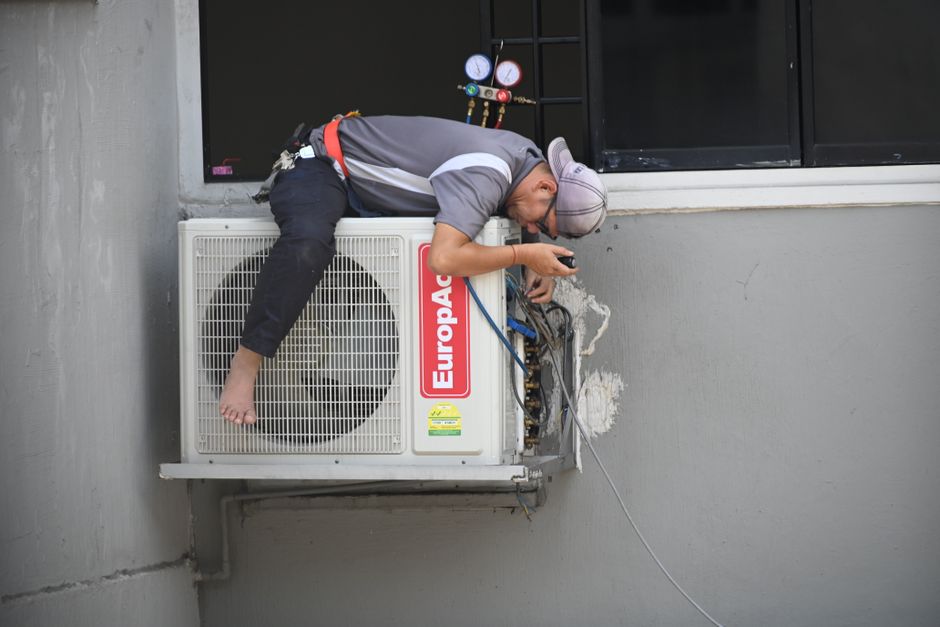
- Unusually high or low suction and head pressures when a technician connects gauges
- A spike in runtime or energy bills as the system struggles to reach the thermostat setpoint
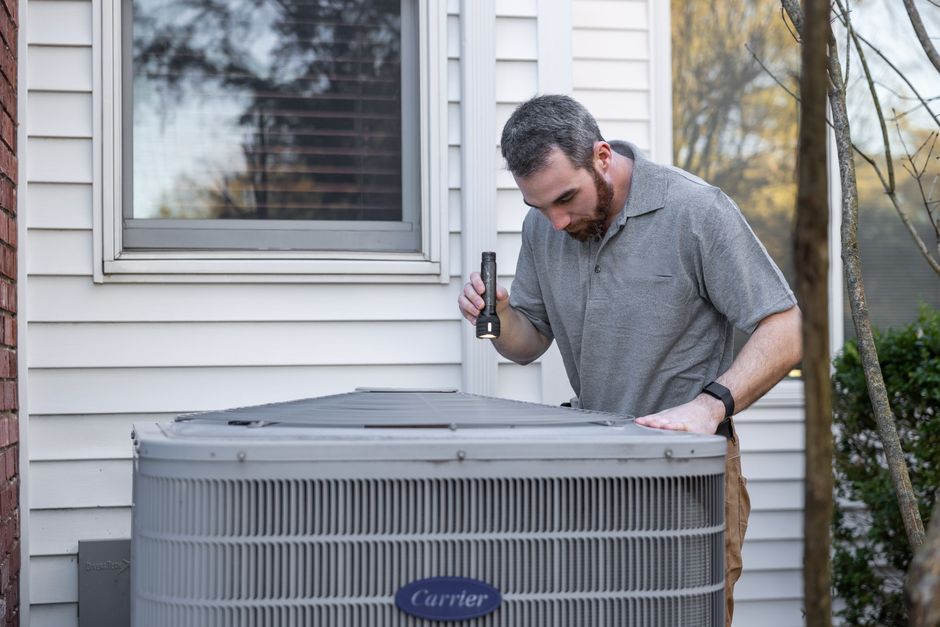
None of these symptoms are exclusive to a bad TXV. A failing capacitor, a low refrigerant charge from a slow leak, or a dirty condenser coil can produce similar complaints. That overlap is exactly why a proper diagnostic step, not just a visual inspection, matters before anyone commits to replacing the valve.
Why Unit Accessibility Changes the Price
The TXV is typically brazed into the line set near the evaporator coil, which in a lot of Florida homes means it’s tucked inside an attic air handler closet or above a garage, often surrounded by minimal clearance and summer attic temperatures well above 120 degrees. A unit with a side-access panel and a few feet of working room around it is a straightforward swap. A unit buried behind ductwork, wedged into a tight mechanical closet, or mounted in a cramped attic requires more time, more careful handling of the line set, and sometimes partial disassembly of surrounding components just to reach the valve. That added labor time is one of the biggest swing factors in the final bill.
Why Refrigerant Type Matters
Not all TXVs are interchangeable. A valve engineered for R-410A doesn’t meter the same way as one designed for R-22 or the newer R-454B systems now entering the market, because each refrigerant has different pressure-temperature characteristics. If your system is still running on R-22, which has been phased out of production, sourcing a correctly rated valve can take longer and the refrigerant itself is scarcer and pricier than modern alternatives. On newer systems, the valve also has to match the specific tonnage and coil design of your equipment, not just the refrigerant type, or it will overfeed or starve the coil regardless of how well it’s installed.
Why Compatibility Checks Affect the Estimate
TXVs are selected based on the system’s capacity, the coil’s design, and in many cases the equipment manufacturer’s own specifications. A universal or aftermarket valve might fit physically but meter incorrectly for your coil, leading to the same symptoms you started with, just with a brand-new part installed. A technician who takes the time to confirm the valve’s compatibility with your specific air handler and condenser model is protecting you from paying for a repair that doesn’t actually solve the problem. That verification step takes time, but it’s the difference between a one-time fix and a callback.
What Else Factors Into Labor and Final Cost
- Recovery and recharge of refrigerant: The system has to be fully evacuated, the old valve removed and a new one brazed in, then the line set pressure-tested and recharged to the manufacturer’s exact specification.
- Brazing and nitrogen purging: Proper installation requires purging the line set with nitrogen while brazing to prevent oxidation and scale from forming inside the copper, which protects the compressor long-term.
- Age and condition of the system: If the TXV failure is a symptom of a larger issue, like a compressor that’s been running with the wrong refrigerant charge for months, the valve replacement may need to happen alongside other repairs.
- Warranty status: Some manufacturer warranties cover the part itself but not labor, which affects what you’re actually being charged for.
Why a Proper Diagnosis Matters Before You Approve the Repair
Because low refrigerant charge, a failing compressor, and a bad TXV can all produce the same warm-air-and-frozen-coil combination, an accurate diagnosis has to include gauge readings, a check of superheat and subcooling values, and a visual inspection of the valve itself rather than a guess based on symptoms alone. A technician who skips that step risks replacing a valve that was never the problem, which means you pay for a part and labor without fixing the actual issue. Confirming the diagnosis first is what keeps the eventual repair cost tied to the real cause rather than a trial-and-error approach.
FAQ: Common Questions About TXV Replacement
Can a TXV be repaired instead of replaced?
Not usually. The valve is a sealed mechanical component, and once the internal diaphragm or pin sticks or corrodes, replacement is the standard fix rather than a field repair.
Does a bad TXV damage other parts of the system?
It can. A valve stuck open can flood the compressor with liquid refrigerant, which is one of the more common ways compressors get damaged. Catching the TXV failure early protects the rest of the system.
How long does a TXV replacement take?
A straightforward replacement on an accessible unit can often be completed in a few hours, including evacuation and recharge. Units with tight access or compatibility issues take longer.
Will my system cool normally again after replacement?
Yes, assuming the correct valve was installed and the system was properly recharged to the manufacturer’s specification. If cooling performance doesn’t fully return, that usually points to a separate issue that needs its own diagnosis.
If your system is showing any of these symptoms, getting an accurate read on what’s actually happening inside the line set is the only way to know what the repair really involves, and the team at Atlantic Air can get you that answer with a proper inspection rather than a guess. Request Service Today!